At Centreline, we strive to add value at every stage of the product development journey. While some clients engage us for a specific phase of a project, many come to us with an idea that needs to be transformed into a fully realised product. For those projects, our process provides the structure, expertise and momentum needed to turn ambitious concepts into commercially viable products.
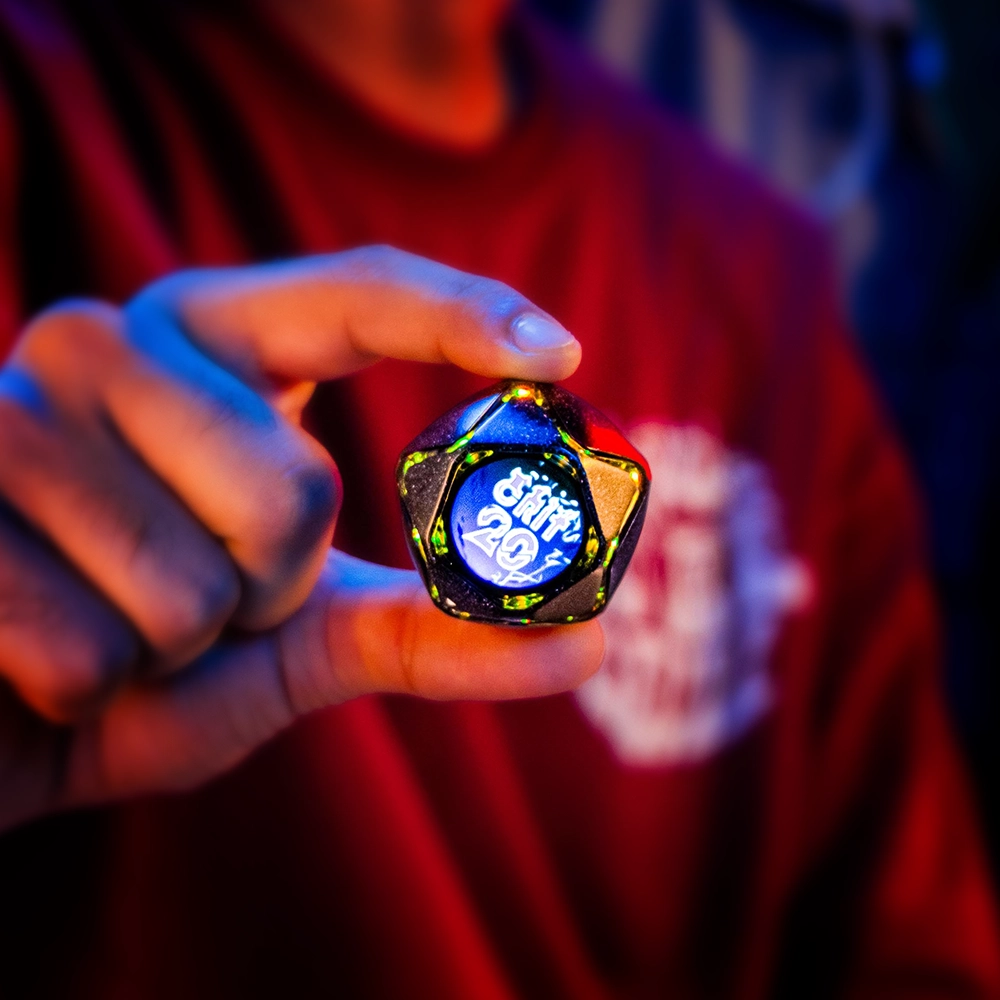
One such example is The One Dice, a project we have been involved with over the past couple of years. What began as an ambitious idea has since developed into a soon to be distributed product offering, supported by a successful crowdfunding campaign that generated over £400,000 in pledges and helped validate the concept with a passionate community of backers.
The journey of The One Dice demonstrates the value of a structured and collaborative design process. It highlights how the right approach can help navigate technical challenges, define a compelling user experience and ultimately bring an innovative product to market.
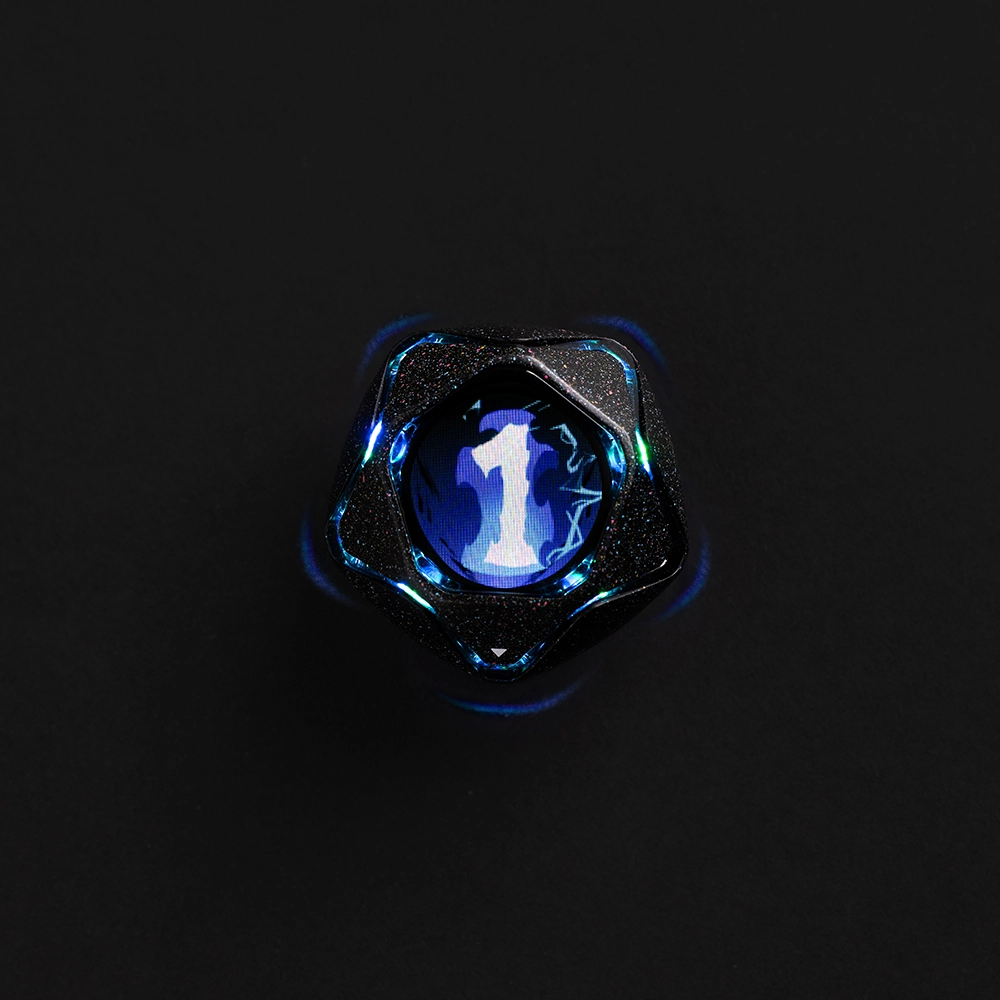
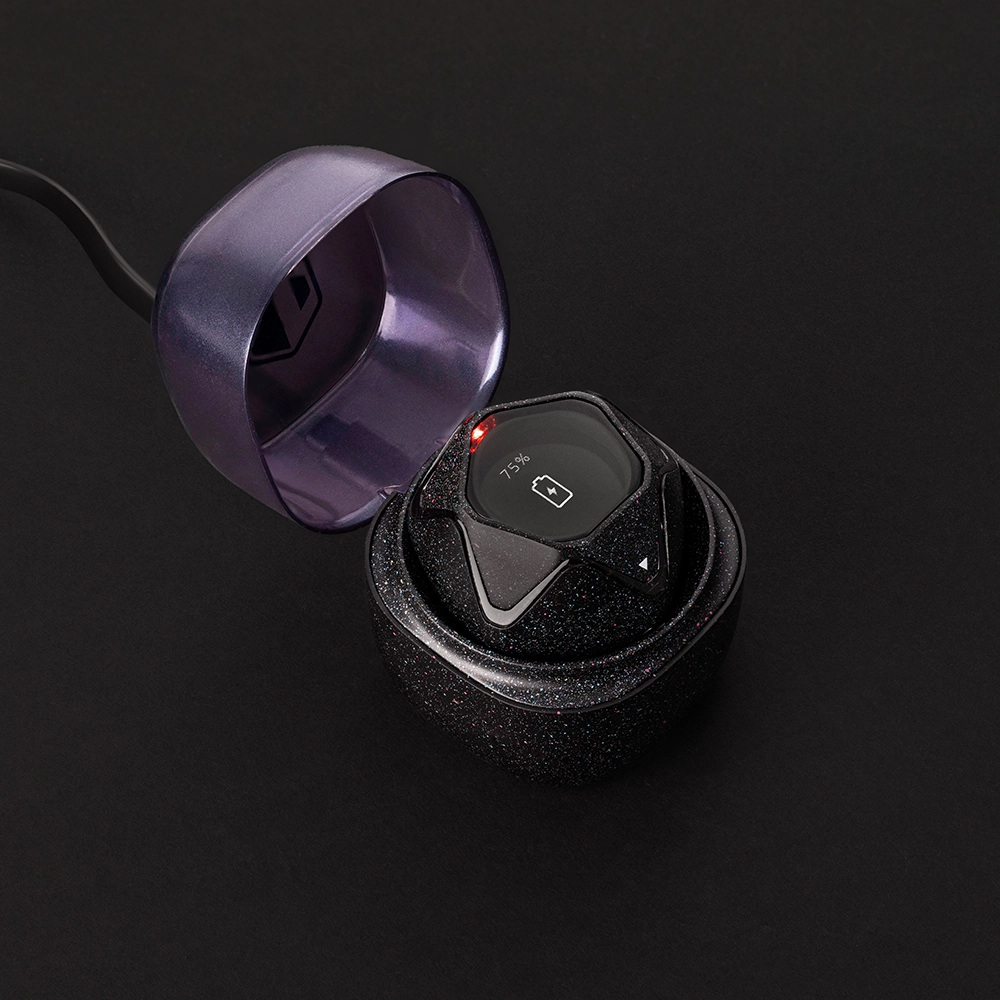
The project began when The One Dice creator, Mittin Patel, approached us with a vision for a digital dice capable of displaying visual information on each face independently. While similar products had been attempted before, none had delivered the experience he envisioned. From our earliest conversations, it became clear that there was an opportunity to create something genuinely different.
As with any successful project, we began with research.
The research phase is one of the most important stages in our process. Before sketching concepts or developing prototypes, we take the time to understand the product's requirements, intended users, manufacturing constraints and market opportunities.
For this project, that meant exploring how users interact with dice during gameplay, existing necessary technologies, evaluating potential form factors and understanding what would be required to deliver an authentic rolling experience while incorporating advanced electronics. On this occasion we also took a step back from the client’s expectations for the direction to fully evaluate the ways we could integrate an interactive display into the product, investigating the possibility of utilising projection displays, holograms and LED matrices. While these options were not chosen for the design moving forward this key step of looking at the broader context and options available is an area where an experienced design team can redirect a client’s thinking to be more open minded and often follow previously unthought of directions.
This stage allows us to establish a solid foundation for the project and ensure that every design decision is informed by evidence rather than assumption.
With a clear understanding of the challenges and opportunities, we moved into concept development.
For many products, conceptual design begins with exploring aesthetics and form. For others, proving technical feasibility is the priority. In the case of The One Dice, both were intrinsically linked.
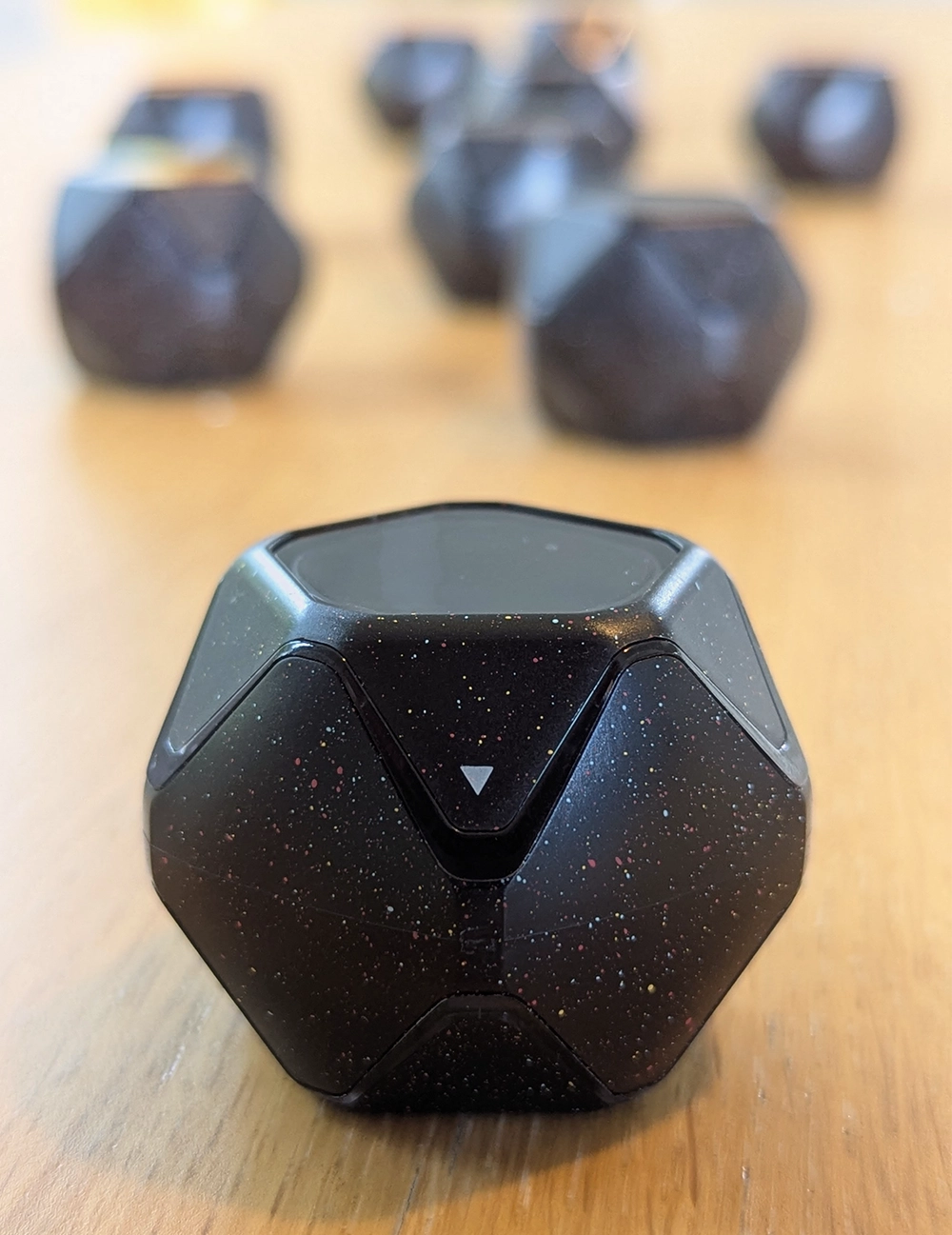
Following discussions with Mittin, we identified a promising direction that utilised a weighted design and a display positioned on the upper face of the dice. To evaluate the concept, we a series of 3D forms and tested each extensively.
By physically rolling the prototypes across multiple surfaces and recording the outcomes, we were able to assess not only performance but also the qualities that make a dice feel satisfying to use. The analytical data provided valuable insights, but equally important was understanding the user experience. Did the dice feel natural in the hand? Did it roll convincingly? Did it preserve the familiar characteristics players associate with traditional dice?
By combining objective testing with user-centred evaluation, we identified the strongest concepts and established a clear direction for further development.
The most successful concepts were then refined into a presentation that combined rendered visuals, form development and initial colours, materials and finishes. This stage is a crucial part of our process because it transforms ideas into something clients can meaningfully evaluate.
Rather than presenting every concept explored during development, we focus on showcasing the strongest solutions. This allows clients to make informed decisions without becoming overwhelmed by countless variations and iterations. The objective is not simply to present options, but to communicate a clear design vision and demonstrate how each concept responds to the project's requirements.
One of the greatest challenges in product development is knowing when to continue refining and when to move forward. Every aspect of a design can be improved indefinitely, but successful product development requires balancing quality, timelines and commercial realities. The One Dice is an example of a design brief that could be endlessly refined, making minor improvements on the many little things that affect the use of the product but delay the decision of a defined design. Part of the value we bring is helping clients make those decisions confidently and ensuring progress is maintained without compromising the integrity of the product.
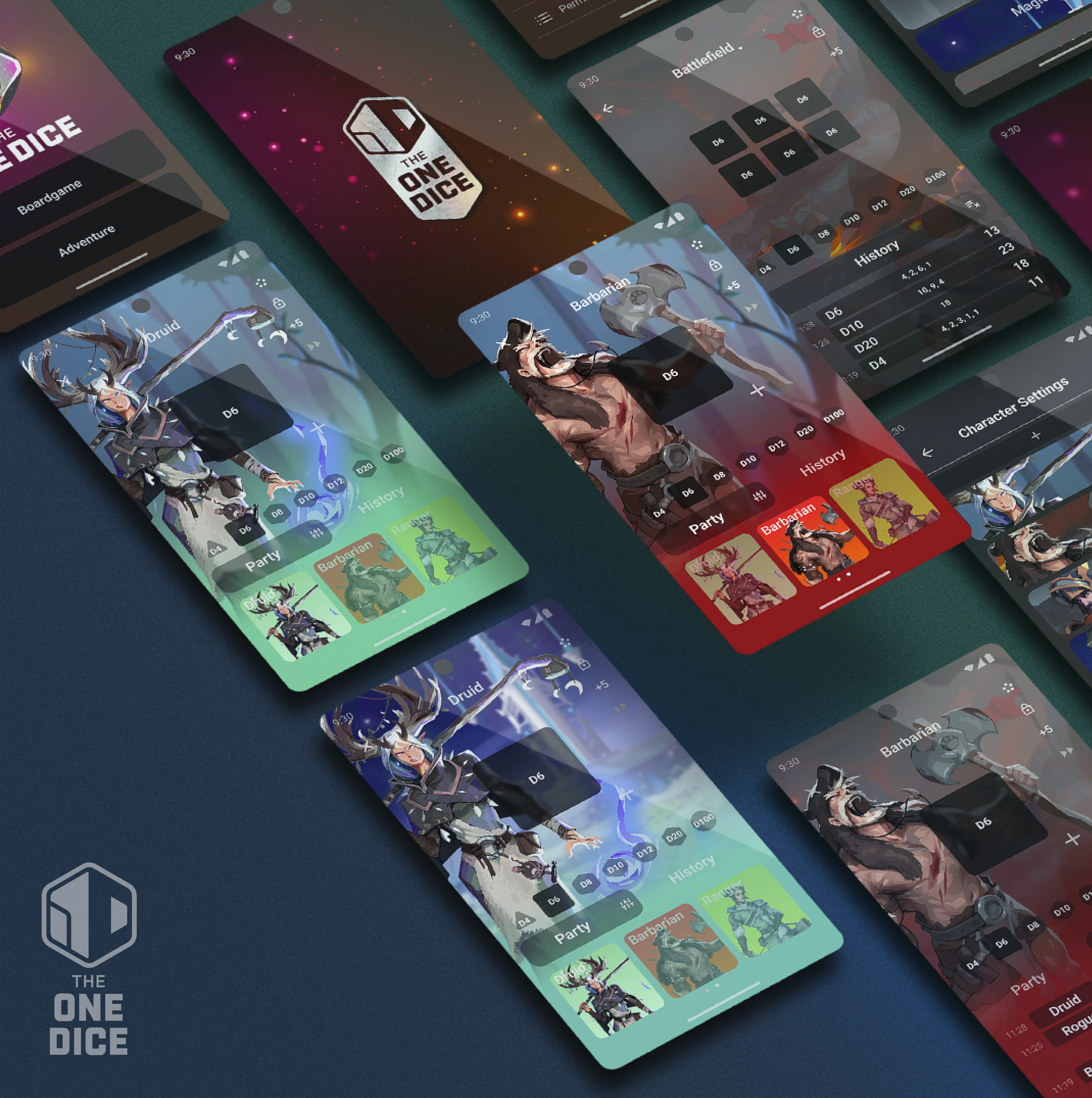
During this phase, we were able to define not only the final form and feel of the product but also the wider user experience. This included developing the concept for a companion app that would allow users to customise their device and tailor it to their individual gaming preferences.
With a refined design established, the project moved into engineering.
Although our design team develops concepts with manufacturing and engineering considerations in mind from the outset, this is the stage where every detail is fully realised. Internal architecture, assembly methods, manufacturing processes and component integration all require careful consideration to ensure the product can be produced reliably and efficiently at scale.
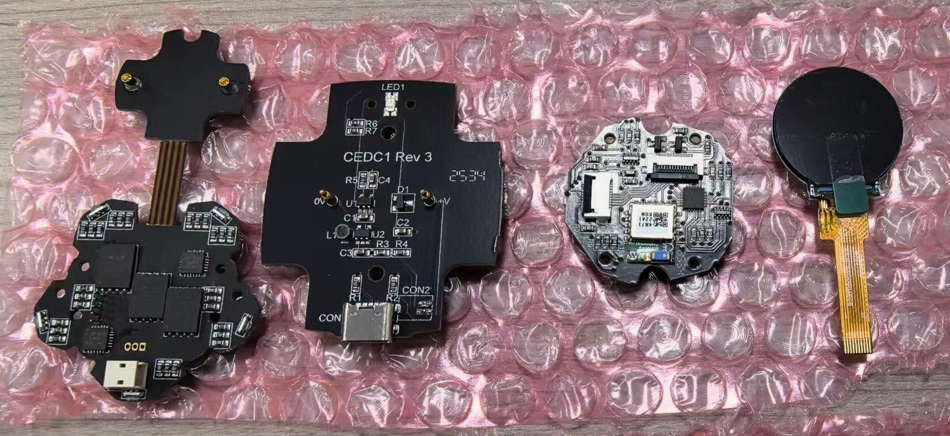
For a compact product such as The One Dice, engineering presented a unique set of challenges. The limited internal space required innovative solutions to accommodate the electronics, display technology and mechanical requirements while maintaining the desired user experience. Through collaboration across our team and with specialist partners, these challenges were systematically resolved and transformed into opportunities to improve the product.
Alongside the physical product development, our involvement extended into areas beyond traditional industrial design.
A successful product is shaped not only by its physical form but also by the wider experience surrounding it. For The One Dice, this included contributions to branding, marketing assets and the user experience of the companion app.
When developing the app experience, our focus was simple: the dice itself should remain at the centre of the experience. The app needed to support and enhance gameplay rather than distract from it. This philosophy helped guide the interface design, ensuring users could quickly access customisation features while maintaining a seamless connection to the physical product.
Like many successful products, the development of The One Dice relied on close collaboration. We worked alongside specialist partners responsible for software development, electronics and digital artwork. One of the strengths of our process is our ability to integrate trusted external expertise where required, ensuring clients benefit from a complete development ecosystem rather than a single isolated service.
This collaborative approach also proved invaluable during the development of the product's electronic systems. By working closely with our electronics partners, we were able to develop robust hardware solutions while maintaining alignment with the product vision and user requirements.
As the project approached launch, our involvement extended to the creation of marketing graphics and campaign assets for The One Dice crowdfunding campaign. This stage presented a different challenge: communicating the product's value clearly and effectively to potential backers.
The success of the campaign, which generated over £400,000 in pledges, demonstrated not only strong market interest but also the importance of developing a cohesive product story. From the earliest research activities through to concept development, engineering, branding and marketing, every stage of the process contributed to building confidence in the product and its potential.
Today, The One Dice has progressed into production, supported by extensive testing, material sampling and manufacturing validation. Throughout this process, we have continued to scrutinise every detail to ensure the final product meets the expectations of the client, backers and future customers alike.
For us, The One Dice represents far more than a successful crowdfunding campaign and product offering. It demonstrates the value of a structured, collaborative and iterative design process that supports a product from initial concept through to manufacture and market launch.
At Centreline, that process is at the heart of everything we do. It is how we help transform ambitious ideas into products that people genuinely want to buy, use and support.
Got your own great idea that you’d like to turn into reality? We’d love to hear it - call 01623 884300 or email enquiries@centreline.co.uk today to arrange a consultation.