New EU legislation, specifying far stricter regulations around the removeability and replacing of batteries in consumer products, is being introduced on the 18th of February 2027. Here’s everything you need to know, and how it may have an impact on your product’s development.
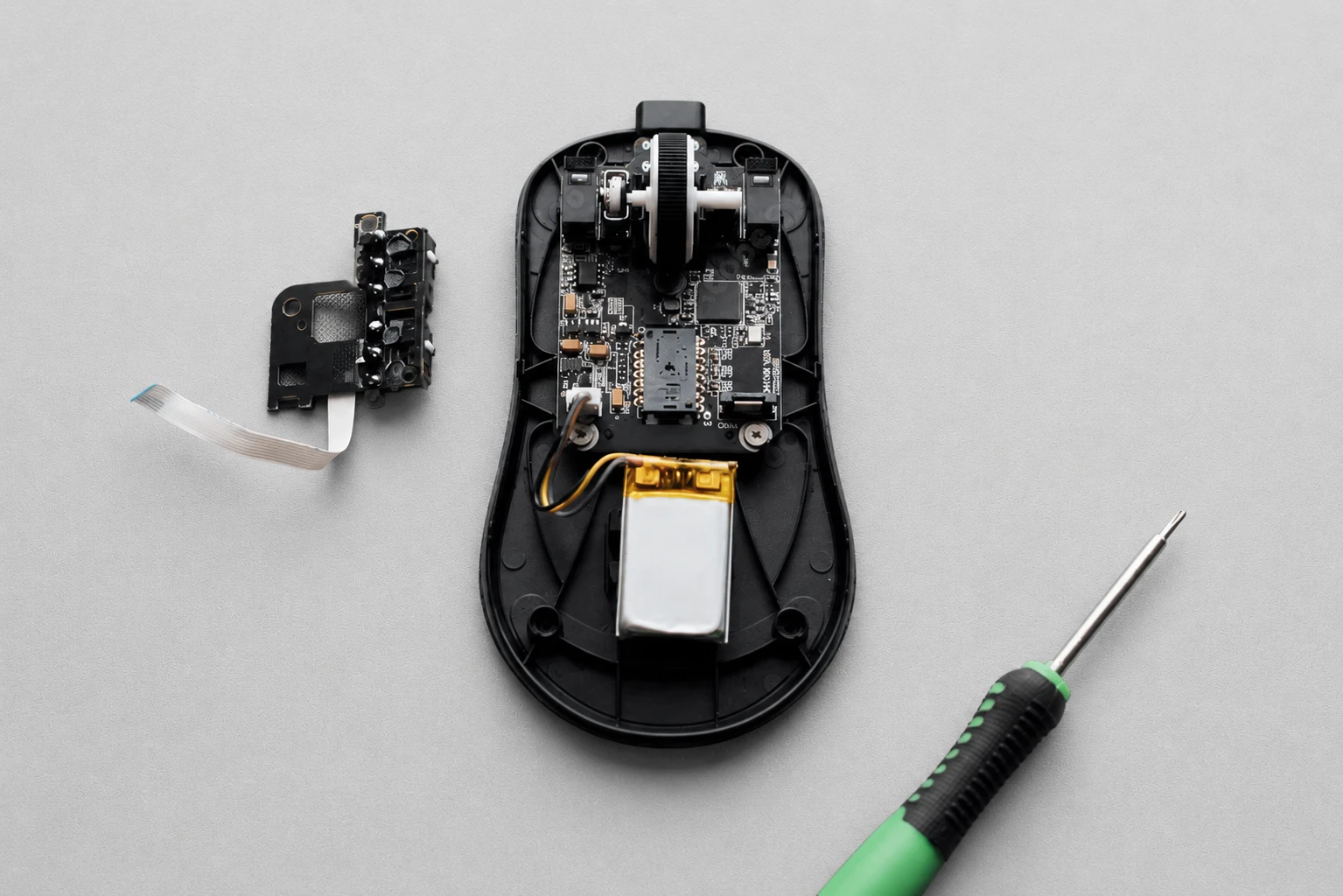
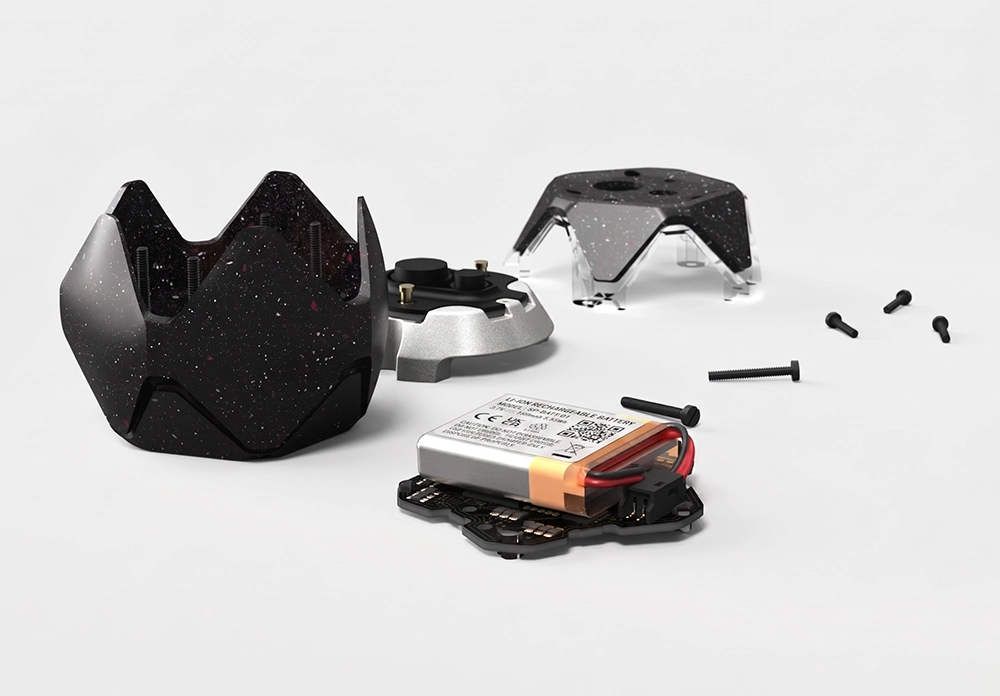
Any products that are to be sold on the EU market that use portable batteries, will have to be designed to allow consumers to remove, and replace, the batteries in the product using commercially available tools. The benefits of this to end-users are obvious. It will give them more control, prolong the lives of their electronic products, and also reduce e-waste.
Portable batteries are defined in the legislation as a sealed battery, weighing 5kg or less that is not designed for industrial use, or a battery for an electric vehicle (These batteries are covered in the legislation, with some slightly different rules). Commercial tools include screwdrivers, spudgers, or even heating devices to open up sealed casings. The process must be easy for the end user, be done without damaging the product, or the batteries, and also the company must provide instructions and safety information to help the consumer.
Products must work with original or compatible batteries, and the batteries must be available for purchase for at least 5 years after the final unit of the product is sold by the manufacturer. Additionally, software part paring, whereby only batteries produced by the original manufacturer are compatible with the product, is prohibited, allowing users to purchase batteries from 3rd parties.
These criteria cover products in a huge range of market sectors, including consumer electronics, medical products, toys and many others, and will have a critical impact on the way that products are designed for those markets into the future.
While these regulations only cover the EU, manufacturers of consumer products who operate worldwide are almost certainly going to comply, or else will be forced to exit one of the world’s largest markets. We saw this same situation play out in 2024 with Apple, who despite lobbying hard, were forced to change from their own Lightning Chargers, to the universal USB-C, from the IPhone 15 onwards. The costs associated with producing 2 versions of products, for different markets, are simply uneconomical.
That being said, these rules are going to force a change in direction in industries, such as smartphones, that for decades have been achieving lighter, thinner, more waterproof electronics by developing expertise in permanent assembly methods such as gluing, soldering and ultrasonic welding.
The key point here is that there are some derogations, which except products under specific circumstances. This raises some interesting questions, and can give us some insights into how large tech companies have begun to engineer products to meet these regulations, and what trends we may see in the future.
Some of the derogations under the legislation include: products where their main purpose is for use in a wet environment, such as shavers or toothbrushes; professional medical imaging products; in-vitro medical devices; smoke alarms intended for 10 years of uninterrupted use, and several others use cases. Following a consultation process, wearable tech products have also been added to this list. In these cases, independent professionals, rather than the end user, must be able to replace and remove the batteries, using commercially available tools.
Another exemption, and one that is key for the smartphone industry, is that batteries that retain 80% of their battery capacity after 1000 charges; 83% after 500 charges; and are rated IP (Ingress Protection, for water and dust) 67 or higher, are also not subject to end-user replacement, and instead may have their batteries replaced by industry professionals.
Anticipating changes to legislation is key, especially given that in tech, product development lifecycles can take several years. Apple, for example, have already anticipated the change in legislation in their new flagship product, the IPhone 16. By investing heavily in battery technology over the last few years, they have been able to meet the capacity requirements. The IPhone 16 also has an IP68 rating, which excludes it from needing to be changeable by the end user. Another clever innovation is present around battery changing in the Iphone 16. Instead of using traditional adhesive to hold the battery into the phone chassis, they have used an electrically conducted adhesive, which releases when a current is passed through it. This kind of manufacturing innovation, produced by companies like Apple with enormous R&D budgets, is necessitated by legislation such as this, and will hopefully trickle down to other sectors and consumer products to achieve the intended aims, such as improving recyclability, and repairability of electronic products.
It also raises some interesting questions about consumer purchasing habits, if devices are lasting longer and cease to become obsolete via a reduced battery life. We also recognise that E-waste, energy usage during manufacture, and consumption of natural resources such as Lithium, Cobalt and Nickel, are massive problems that this legislation is aiming to tackle, and are all beneficial in helping to address the ongoing climate crisis.
At Centreline, we are continually keeping up to date with manufacturing developments, and use this to inform our process when we are designing, engineering and manufacturing our client’s projects. These changes are clearly going to impact the way that we design products into the future, however, we are excited by the wave of R&D and innovation that this is going to kickstart, and the new opportunities and possibilities that it creates for designers, engineers and consumers of the products that we produce.